

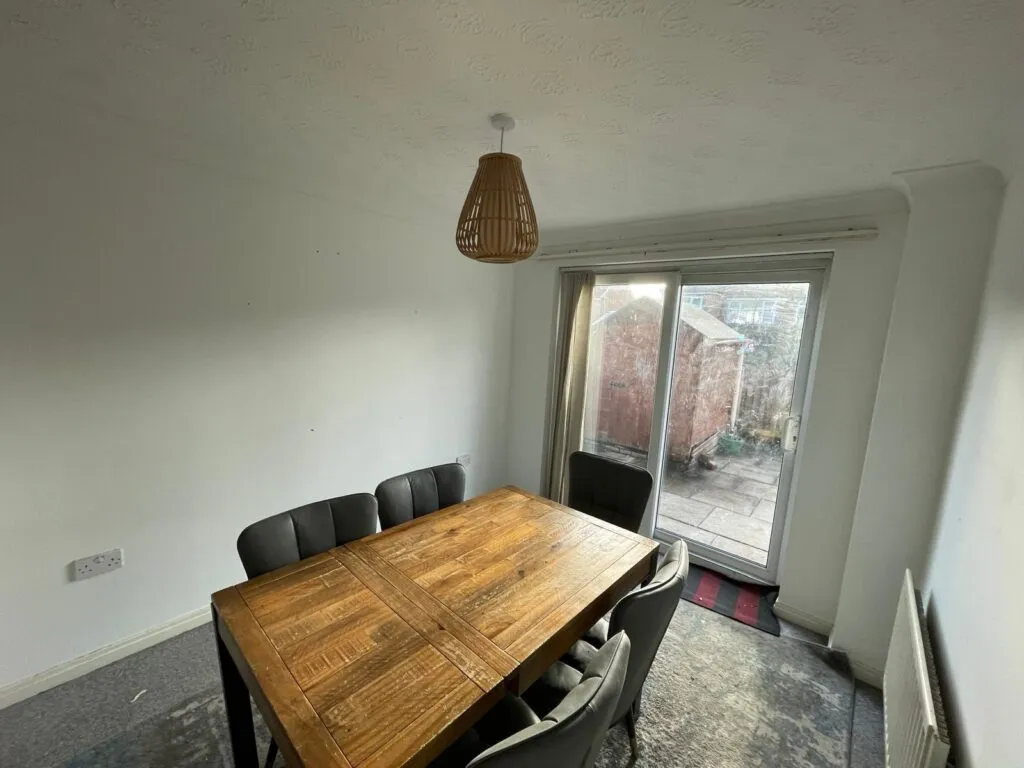
The quickest way to choose a painter and decorator is to listen to how they talk about preparation. Anyone can promise two coats. The ones worth booking explain the filling, sanding, priming and protection first, because that is where a finish succeeds or fails.
It is the reason surface preparation and finishing sits at the heart of our work. Below are the nine checks we would make ourselves before letting anyone into our own homes.
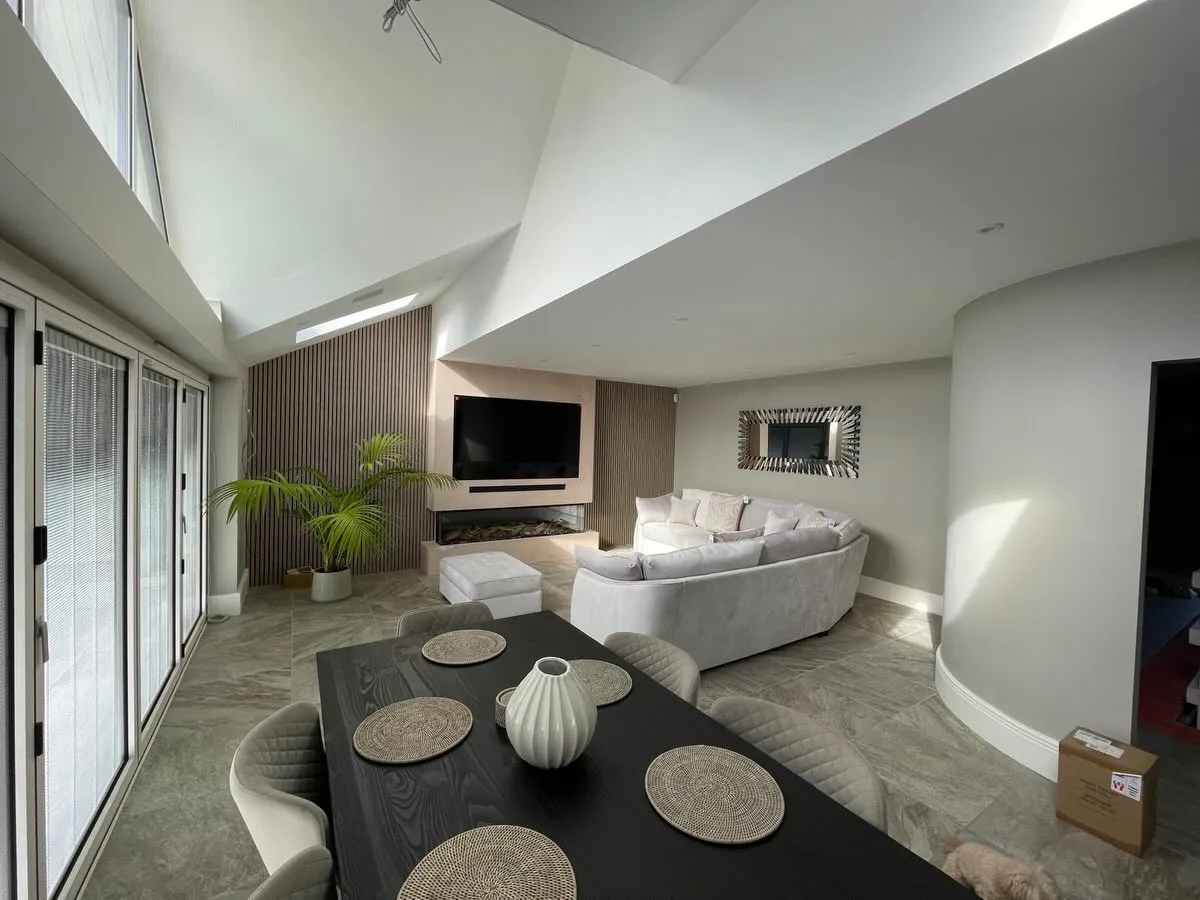
In short
- Ask to see a public liability insurance certificate, and check the name and dates.
- Look at recent local work, and read Google reviews properly rather than counting stars.
- Never accept a firm quote for a whole job without a site visit.
- A good written quote names the preparation, the number of coats and the products.
- Agree materials, start date, duration, deposit terms and floor protection before you book.
- Trade body membership is a plus, not a guarantee.
Searching for painters and decorators near me
Most people start with a search and a shortlist of three. That is sensible. However, search results show you who is good at marketing, not who is good at preparation. The checks below are how you tell the difference.
Local knowledge matters more than it sounds. Victorian terraces in Levenshulme have lath-and-plaster ceilings that crack. New builds in Salford have fresh plaster that needs a mist coat. Stone cottages in Saddleworth face weather that finds every weak spot in an exterior coating.
A decorator who works locally has seen all of it before. Our house painters across Manchester cover the city and the surrounding boroughs. Wherever you are, ask any decorator what they know about your type of house. The answer is revealing.
How to choose a painter and decorator: the 9 checks
1. Public liability insurance you have actually seen
Ask to see the certificate, rather than just hearing the word “insured”. Check that the business name matches the person quoting, and that the policy dates cover your job. Public liability insurance covers damage to your property or injury to others. If a ladder goes through a window, it is what pays to put it right.
If they employ staff, they should also hold employers’ liability insurance. A reputable firm will send both without any fuss.
2. Recent local work you can look at
Ask for photos of recent jobs similar to yours, ideally nearby. Close-ups tell you more than wide, flattering shots. Look at the cutting-in lines, the gloss on skirting boards and the edges around sockets. Our own recent projects show the kind of detail worth looking for.
Match the experience to the job. A decorator who mostly does interior painting may not be the right choice for render on a north-facing elevation. For that, look for someone with a record of exterior painting in the Manchester weather.
3. Reviews and reputation, read properly
Google reviews are useful if you read them rather than count the stars. Look for detail: what was done, whether they turned up when promised and how they left the house. Notice how any complaint was handled. A calm, factual reply to a poor review can reassure more than a wall of five stars.
Check the dates as well. Reviews spread steadily over several years suggest an established business. Trade body membership, such as the Painting and Decorating Association, is also a plus. It is not a guarantee of quality on its own, so weigh it alongside everything else.
4. A site visit before any quote
A proper quote needs someone to walk the rooms. Photos flatten everything. They do not show hollow plaster behind a wardrobe, a cracked ceiling or flaking gloss on the stairs.
A decorator who quotes a whole job from a few phone photos is guessing. Either the quote is padded to cover surprises, or the surprises become extras later. Neither is a good start.
The visit is also your chance to judge them. Do they arrive when they said they would? Do they look at the ceilings, test loose paint with a scraper and ask how the room is used? Good decorators ask as many questions as they answer.
5. A written quote that describes the preparation
This is the most telling check of all. A good quote says what will be done to the surfaces, not just which rooms are included. For instance:
- Cracks raked out, filled and sanded flush.
- Gaps between skirting boards and walls caulked.
- Water stains sealed with a stain blocker such as Zinsser B-I-N.
- New plaster mist-coated before the finish coats.
- Old gloss degreased and keyed before repainting.
If the quote just says “prep and paint”, you cannot tell what is included. Our post on why painters can seem expensive explains where all that preparation time goes.
6. Number of coats and named products
The quote should say how many coats, and of what. “Two coats of Dulux Trade Diamond Matt over a mist coat” is a specification. “Two coats of emulsion” is not.
Trade ranges from Dulux Trade, Crown Trade and Johnstone’s Trade are made for decorators. They are not always the same product as the retail tins.
Ask what happens if two coats do not cover. Strong reds and deep blues often need a basecoat or a third coat. A decorator who promises two coats over anything has not thought about it.
7. Who supplies the materials
Many decorators supply their own paint and sundries through trade accounts. Others are happy for you to buy the paint, especially a Farrow & Ball or Little Greene colour you have already chosen. Either way, it should be written down. So should what happens if more paint is needed halfway through.
Leftover paint should be left with you at the end, labelled with the colour, finish and room. It makes touch-ups simple a year later, when nobody remembers which white went on the landing.
8. Start date, duration and deposit terms
Ask when they can start and how many days it will take. Then ask what could make it take longer. A realistic answer beats an optimistic one every time. It is the thinking behind our realistic timelines and kept promises in Tyldesley, and everywhere else we work.
On deposits, clarity matters most. Some firms ask for one on larger jobs, usually towards materials. Get the terms in writing: what it covers, when the balance is due and what happens if the start date moves.
9. How your home will be protected
Ask how they protect your floors, furniture and fittings. The answer should be specific:
- Furniture moved to the centre of the room and covered with polythene.
- Floors covered with cotton dust sheets or protective film, not old bedsheets.
- Handles, switches and sockets masked before any painting starts.
- Rooms tidied and swept at the end of each day.
How someone answers this tells you how they will treat your house. A job done carefully once is far less disruptive than one done twice. That is the idea behind our do-it-once, do-it-properly approach in Dukinfield.
What a proper painter and decorator quote looks like
| Item | Vague quote | Proper quote |
|---|---|---|
| Preparation | “Prep and paint” | Filling, sanding, caulking and stain blocking listed room by room |
| Coats | Not stated | Mist coat plus two finish coats, or as specified |
| Products | “Good quality paint” | Named brand, range and finish for walls, ceilings and woodwork |
| Materials | Unclear who buys them | States who supplies paint and sundries |
| Timings | “Soon” | Start date and expected duration in days |
| Deposit | Cash up front, nothing written | Written terms linked to materials or a stage of work |
| Protection | Not mentioned | Floors, furniture and fittings covered, with a daily tidy-up |
| Snagging | Not mentioned | A walk-round to fix touch-ups before sign-off |
Red flags to walk away from
Some warning signs are worth taking seriously, however friendly the person seems:
- A figure for the whole house given over the phone, without a visit.
- Reluctance to show insurance, or vague answers about it.
- Pressure to decide today, such as an offer that expires tonight.
- No written quote, or one that never mentions preparation.
- A promise that two coats will cover any colour.
- A request for most of the money before a brush is lifted.
- No straight answer to “how long will it take?”
Think beyond the first job
A good decorator becomes someone you call back. Exteriors need repainting every so often, and sooner on exposed stone and render. Hallways and stairs take a battering from family life. Finding someone reliable once saves you running these checks again.
That is the relationship we aim for with long-term maintenance clients in Greenfield and Saddleworth, where the weather is hard on paintwork. Businesses need the same reliability, plus out-of-hours working and paperwork. If that is you, our guide to office painting in Manchester covers what to ask.
Where we draw the line
We will not quote for a job without seeing it. We are happy to talk it through on the phone and give you a rough idea of timescale. However, a written quote only comes after a visit.
The reason is simple. Photos hide the things that decide the job: hollow plaster, damp, flaking layers of old paint, or woodwork that needs more than a sand. If we guessed, we would either overestimate to be safe or come back asking for more.
Neither is fair to you. The visit is free, and it gives both of us a quote we can stand behind.
Get a free quote in Manchester
If you are comparing decorators, put us through the same nine checks. That is exactly how we would choose a painter and decorator ourselves. We will visit, look properly and send a written quote setting out the preparation, coats and products.
Book your free, no-obligation quote or call 07835 733353. We are fully insured, 5-star rated and happy to answer every question on this list.
Frequently asked questions
What questions should I ask a painter and decorator before hiring them?
Ask whether they are insured and can show the certificate, whether they have recent similar work to show you, and whether they will visit before quoting. Then ask what preparation is included, how many coats they plan, which products they will use, who supplies the materials, when they can start, how long it will take and how they will protect floors and furniture.
Should a decorator give a quote without seeing the job?
Not a firm quote for a whole job. Photos hide hollow plaster, cracked ceilings, damp and flaking paint, all of which change the work involved. A decorator can give a rough idea of timescale over the phone, but a written quote should follow a site visit. Quotes given sight unseen tend to be padded, or followed by extras once work starts.
Do painters and decorators need to be insured?
Public liability insurance is not a legal requirement for a sole trader, but any reputable decorator should have it. It covers accidental damage to your property and injury to other people. Employers’ liability insurance is a legal requirement for most businesses with staff. Ask to see the certificates, and check that the business name and policy dates match.
Is it normal for a decorator to ask for a deposit?
Some decorators ask for a deposit on larger jobs, usually towards materials, and that is not unusual. What matters is that the terms are in writing: what the deposit covers, when the balance is due and what happens if the start date changes. Be cautious of anyone who wants most of the money before any work begins.
Is it better to buy my own paint or let the decorator supply it?
Either can work. Decorators usually buy trade paint through their own accounts and know how each product behaves. Supplying your own makes sense if you have already chosen a specific designer colour. Whichever you choose, agree it in writing, including who buys more if it runs short, and keep the leftovers labelled for future touch-ups.
How can I tell if a decorator is any good?
Look at recent photos of similar jobs, focusing on close-ups of cutting-in, skirting boards and edges. Read Google reviews for detail and for how problems were handled. On the site visit, a good decorator looks closely, asks questions and explains the preparation before talking about colours. A detailed written quote is usually the clearest sign of all.
