

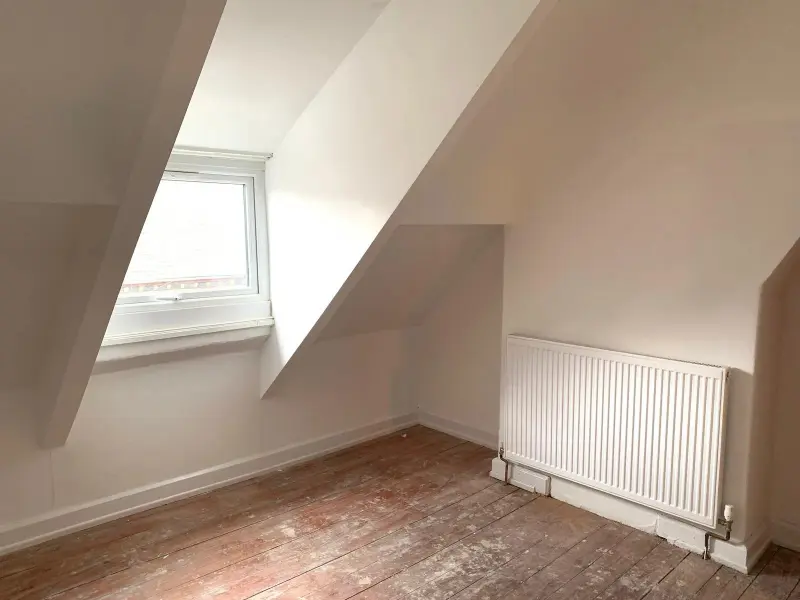
Choosing between matt, eggshell, satin, and gloss paint finishes changes how a room looks, how well it cleans, and how long the finish lasts. As a quick answer: matt suits bedrooms and low-traffic living areas, eggshell suits hallways and family rooms, satin suits kitchens and bathrooms, and gloss suits skirting boards, doors, and metalwork. This complete UK guide from our Manchester interior painting team covers every finish in detail, with a room-by-room recommendation table you can use to plan your project.
Getting the finish right matters more than most homeowners realise. A well-chosen finish hides wall imperfections, resists everyday wear, and stays looking fresh for years. The wrong finish shows every mark, flakes on high-traffic edges, or simply looks out of place. Here is what actually works.
The Main UK Paint Finishes at a Glance
Paint finish is measured by sheen level — how much light the dry paint reflects. Higher sheen means more shine, more washability, but also more visible surface flaws. The five most common UK finishes are shown below.
| Finish | Sheen Level | Best For | Washable? | Hides Flaws? |
| Matt (flat) | 0-5% (lowest) | Bedrooms, ceilings, low-traffic areas | Modern versions wipe clean | Excellent |
| Eggshell | 10-25% | Hallways, living rooms, dining rooms | Yes, wipes cleanly | Very good |
| Silk (UK term) | 20-35% | Family rooms, hallways | Yes, easy wipe-down | Moderate |
| Satin | 25-45% | Kitchens, bathrooms, woodwork | Yes, scrubbable | Poor |
| Gloss | 70%+ (highest) | Skirting, doors, metal, radiators | Yes, fully washable | None — shows all flaws |
The general rule: as sheen level rises, so does washability and durability — but the finish becomes less forgiving of underlying surface imperfections. Well-prepared walls can carry any finish; poorly prepared walls need a lower-sheen finish to hide the flaws.
Matt Paint — When and Where to Use It
Matt paint has the lowest sheen level of any interior finish. Light hits the dry film and diffuses rather than reflecting back, producing a soft, non-reflective surface that looks calm and understated.
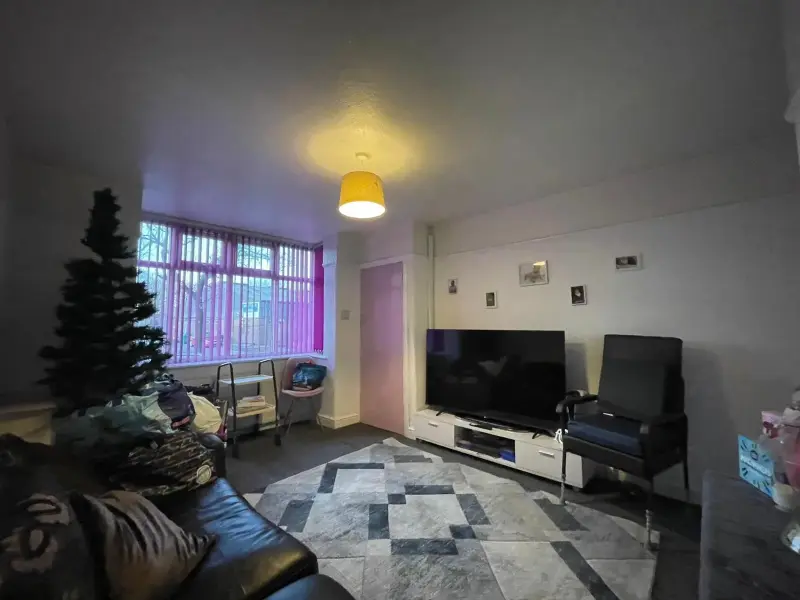
Matt Paint Advantages
- Excellent at hiding wall imperfections — plaster patches, filler marks, and minor cracks all disappear
- Calm, non-reflective aesthetic that suits bedrooms and lounges
- Modern trade matts (Dulux Trade Diamond Matt, Crown Trade Clean Extreme) now wipe clean without polishing
- Deeper, richer colour appearance than higher-sheen finishes
Matt Paint Disadvantages
- Standard budget matt paints mark easily and cannot be scrubbed
- Not suitable for kitchens, bathrooms, or high-humidity areas
- Touch-ups on older matt paint can show as a slightly darker patch
Where Matt Works Best
Bedrooms, adult living rooms, dining rooms, ceilings throughout the home, and formal reception areas. Choose a durable washable matt like Dulux Trade Diamond Matt or Crown Trade Clean Extreme for any room that will see everyday family life.
Eggshell Paint — The All-Rounder
Eggshell sits between matt and satin — enough sheen to wash cleanly, low enough sheen to still hide most wall imperfections. It is the most versatile finish available and works in more rooms than any other option.
Eggshell Advantages
- Wipes clean without damage — ideal for family homes and hallways
- Handles moderate humidity better than matt
- Softer look than satin or silk — reads as low-sheen matte to the eye
- Excellent choice for woodwork where a modern, contemporary look is wanted
Eggshell Disadvantages
- Shows more surface flaws than pure matt — proper preparation matters
- More expensive per litre than standard matt emulsion
Where Eggshell Works Best
Hallways, stairs and landings, family living rooms, children’s bedrooms, and any wall likely to be touched, wiped, or scuffed. Also excellent on skirting, doors, and window frames where a modern low-sheen look is preferred to traditional gloss.
Satin Paint — Durable and Washable
Satin has noticeably more sheen than eggshell — the surface catches light softly and washes with cleaning products without dulling. In the UK, satin is most commonly used on woodwork rather than walls, though satin wall paints are gaining popularity in kitchens and bathrooms.
Note on UK Terminology
UK homeowners often confuse satin with silk. Silk is a specific UK wall paint sheen (around 20-35%) that sits between eggshell and satin. Satin (25-45%) is slightly higher sheen and usually refers to a durable woodwork or bathroom finish. Different manufacturers use these terms slightly differently — always check the technical datasheet.
Satin Advantages
- Fully scrubbable — stands up to kitchen grease, bathroom moisture, and family wear
- Excellent on woodwork including skirting, architraves, and doors
- More modern-looking than gloss on trim
- Resists mould and mildew better than lower-sheen finishes
Satin Disadvantages
- Shows brush marks and application errors more visibly than lower-sheen finishes
- Highlights wall imperfections — needs excellent preparation
- Reflective enough to show light patches from LED bulbs at odd angles
Where Satin Works Best
Kitchens (walls and cabinets), bathrooms, laundry rooms, utility rooms, and any wall exposed to steam, grease, or regular scrubbing. Also the modern favourite for interior woodwork including skirting, door frames, and doors themselves.
Gloss Paint — Traditional Durability
Gloss has the highest sheen of any interior paint — the finish is almost mirror-like when properly applied. Once the UK standard for all woodwork, gloss has been partially replaced by satin and eggshell in modern homes but remains the toughest, most washable finish available.
Gloss Advantages
- Most durable and washable finish available
- Excellent water and stain resistance
- Traditional finish that suits period properties, Victorian villas, and heritage restoration
- Reflects light — brightens dark hallways and small spaces
Gloss Disadvantages
- Shows every underlying imperfection — dents, brush marks, sagging
- Yellows over time on interior work, particularly white gloss on skirting
- Feels dated in contemporary interiors where satin or eggshell now dominates
- Solvent-based traditional gloss has strong fumes and longer drying times
Where Gloss Works Best
Radiators, metal railings, exterior woodwork, heritage-style skirting in period properties, and any surface needing maximum washability. Water-based gloss (available from Dulux, Crown, and Little Greene) reduces the yellowing and fume problems of traditional oil-based products.
Which Paint Finish Should You Use in Each Room?
The room-by-room recommendations below assume typical UK homes with average preparation quality. Any of these finishes can work in any room with the right specification — these are the reliable default choices.
| Room | Best Wall Finish | Best Woodwork Finish |
| Bedroom (adult) | Matt or washable matt | Eggshell or satin |
| Child’s bedroom | Washable matt or eggshell | Eggshell or satin |
| Living room / lounge | Matt or eggshell | Eggshell or satin |
| Dining room | Matt or eggshell | Eggshell or satin |
| Kitchen | Satin or moisture-resistant eggshell | Satin or gloss |
| Bathroom | Bathroom-specific satin or specialist paint | Satin or gloss |
| Hall, stairs, landing | Eggshell — resists everyday wear | Eggshell, satin, or gloss |
| Home office | Matt or eggshell | Eggshell or satin |
| Ceilings (all rooms) | Matt (ultra-matt for bedroom) | Not applicable |
For guidance on preparing surfaces properly before any finish is applied, see our professional wall preparation guide — the finish is only as good as the surface underneath.
How to Choose the Right Finish for Your Home
Four practical questions decide the right finish for most projects.
- How much wear will the surface see? Higher-traffic areas need higher-sheen, more washable finishes
- How good is the wall’s surface? Poorly prepared walls need matt or washable matt to hide imperfections
- Is the room humid or steamy? Kitchens and bathrooms need satin or moisture-specific paints
- What look do you want? Modern homes tend to favour matt walls with eggshell trim; traditional homes suit eggshell walls with satin or gloss trim
Paint Finish FAQs
What is the difference between matt and eggshell paint?
Matt has almost no sheen (0-5 per cent) while eggshell has a soft low sheen (10-25 per cent). Matt hides wall imperfections better; eggshell wipes clean more easily. Matt suits bedrooms and low-traffic areas; eggshell suits family rooms, hallways, and any wall likely to be touched or scuffed.
Is matt or eggshell better for bathrooms?
Neither is ideal — bathrooms need satin or a bathroom-specific moisture-resistant paint. If choosing between matt and eggshell, eggshell handles moisture better than standard matt. For genuine bathroom durability, use a specialist product like Dulux Trade Kitchens & Bathrooms or Crown Trade Mid-Sheen Bathroom.
What paint finish is best for a hallway?
Eggshell is the standard hallway choice. Hallways see constant everyday wear — bags brushing walls, hands touching light switches, children with sticky fingers. Eggshell wipes clean without damage while still hiding minor plaster imperfections. Choose a durable eggshell like Dulux Trade Diamond Eggshell for longevity.
Do you use gloss or satin for skirting boards?
Both work — the choice is aesthetic. Satin gives a modern, low-sheen look that suits contemporary interiors and shows fewer application marks. Gloss gives a traditional high-sheen look that suits period properties and is more washable long-term. Modern water-based satins are the default choice in most new work.
What paint finish hides wall imperfections best?
Matt hides imperfections best because its low sheen scatters light rather than reflecting it, softening dips, filler marks, and hairline cracks. Ultra-matt or flat matt hides even more. Higher-sheen finishes like satin and gloss reflect light and highlight every defect, so they need excellent surface preparation.
